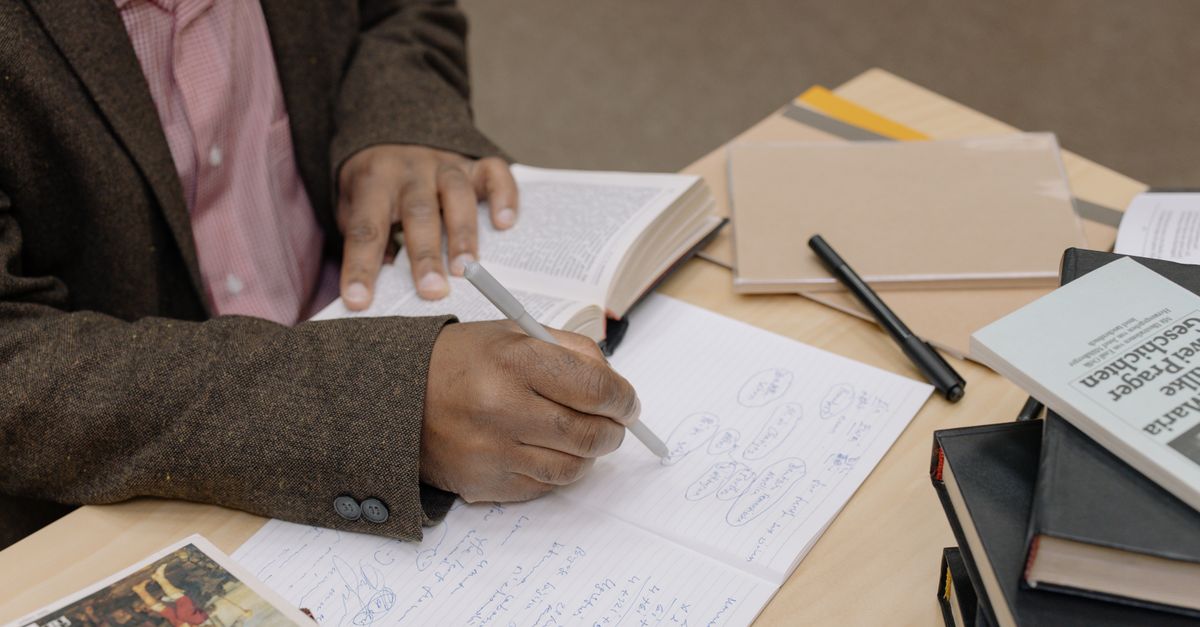
How to Have an Informal Chat Before Applying for a Job in UK Higher Education
If you have spent any time browsing UK academic job adverts, you will have noticed a line near the bottom that says something like: "For an informal discussion, please contact Dr [Name] on..." This is standard practice in higher education, and it is more than just a formality. Knowing how to have an informal chat before applying for a job can genuinely improve your application and help you decide whether to apply at all.
This guide covers why these conversations exist, how to request one, what to ask, and how to follow up sensibly.
Why UK Universities Offer Informal Chats
The informal pre-application conversation is deeply embedded in UK academic hiring culture. It serves a practical purpose for both sides.
For the hiring department, it filters out unsuitable applicants early and helps generate a stronger shortlist. A candidate who has spoken to the contact person already understands the role better and is more likely to write a focused, relevant application.
For you, it is a chance to:
- Find out whether the role is actually what you think it is
- Understand what the department really needs and tailor your application accordingly
- Get a sense of the team culture and whether the post suits you
- Make a positive first impression before your application lands in the inbox
- Ask questions you cannot answer from the job description alone
Not everyone rings. Many candidates read the advert and apply without making contact. If you do call or email, and you handle it well, you already stand apart from the majority.
When to Make Contact
Aim to get in touch within the first week or two of the advert going live. Contacting too close to the closing date can be difficult for the named contact, and it leaves you no time to use what you learn before writing your application.
If the advert does not include a named contact but lists a general HR email, it is still worth emailing to ask whether an informal conversation is possible. Many departments will arrange it.
Do not wait until you have a near-perfect application drafted. The point of the chat is to inform your application, not to rehearse it.
How to Request the Conversation
Whether you contact by phone or email depends on what the advert specifies. If it lists a phone number, calling is usually appropriate. If it lists an email address, send a brief, professional email first and offer to speak at a convenient time.
A short email might look like this:
Dear Dr [Name],
I am writing to express my interest in the [post title] position advertised on UniJobs. The advert mentions the possibility of an informal discussion, and I would be very glad to speak with you at a time that suits you. I am available most mornings this week and next.
I have [one sentence summarising your relevant background].
Many thanks, [Your name]
Keep it short. This is not your cover letter. Do not attach your CV unless asked.
What to Ask During the Chat
Prepare four or five questions in advance. You will not get through all of them, and the conversation may take its own direction, but having questions ready stops you from going blank.
Good questions to consider:
- About the role itself: Is this a new post or a replacement? What does a typical week look like? Who would I work most closely with?
- About the department's priorities: What are the key things you would want the successful candidate to focus on in the first six months? Are there particular research themes or teaching needs the department is developing?
- About fit: My background is in [X]. Is that the kind of experience you are looking for, or is there a gap I should address?
- About the process: What does the selection process involve beyond the interview? Is there a presentation or task?
- Practical questions: Is the post full-time or could it be considered part-time? (Only if this genuinely matters to you and the advert is unclear.)
Avoid asking questions that are clearly answered in the advert or the job description. It signals that you have not read the documents carefully.
Also avoid, at this stage, asking about salary, pension or annual leave. Those are conversations for after an offer has been made.
What to Do During the Call
Listen more than you talk. The contact person may volunteer a great deal of useful information if you give them space. Let the conversation breathe.
Take brief notes, either during the call or immediately afterwards, while the details are fresh. You will want to refer back to specific things that were said when you write your application.
Be professional but natural. This is not a formal interview. You do not need to deliver polished answers or use structured examples. You are having a conversation. That said, the contact person will form an impression of you, and that impression can matter.
If the contact person asks about your background or your research, answer clearly and with some enthusiasm, but keep it brief. This is not your moment to monologue.
At the end, thank them for their time and confirm how to reach them if you have follow-up questions.
How the Chat Should Influence Your Application
This is the most important part. The conversation is only useful if you act on it.
After the call, look back at your notes and ask:
- Did they emphasise anything that is not prominent in the job description?
- Did they describe a gap in the team that your skills could fill?
- Did they mention a particular project, initiative or challenge?
- Did they signal what a strong application looks like?
Your cover letter should reflect what you learned. If the contact person mentioned that the department is building its research presence in a particular area, and your work connects to that, say so explicitly. If they emphasised that the teaching load is substantial and pastoral responsibility matters, address that directly.
This is not about gaming the system. It is about writing an application that speaks to the actual job, not just the job description as written.
For more on presenting yourself well in the application stage, see our guide on the informal chat before a UK academic job interview, which covers how this kind of conversation continues into the selection process itself.
If the Chat Puts You Off Applying
Sometimes an informal conversation reveals that the role is not what you expected. The workload may be heavier than the advert implied, the department culture may feel like a poor fit, or the contact person may describe a job that simply does not match what you are looking for.
This is genuinely useful information. It is far better to find out before you spend several hours on an application than to receive an offer and then have doubts. Choosing not to apply after a conversation is a perfectly legitimate outcome and costs you nothing professionally.
For Roles Where No Informal Contact Is Listed
Not every advert offers an informal chat. This is more common in professional services roles and in some centralised recruitment processes. If no contact is listed, focus on the job description and person specification as your main sources of information. You can sometimes find useful context on the department's or research group's website.
Browse lecturer jobs and postdoc and research fellow positions on UniJobs to see how different institutions handle the pre-application contact point, as practice does vary considerably between universities and between academic and professional services posts.
If you are applying for a research-focused post, it is worth reading the department's recent publications and grant activity before the call. Demonstrating that you have done this, even briefly, signals genuine interest and gives you a much richer set of questions to ask.